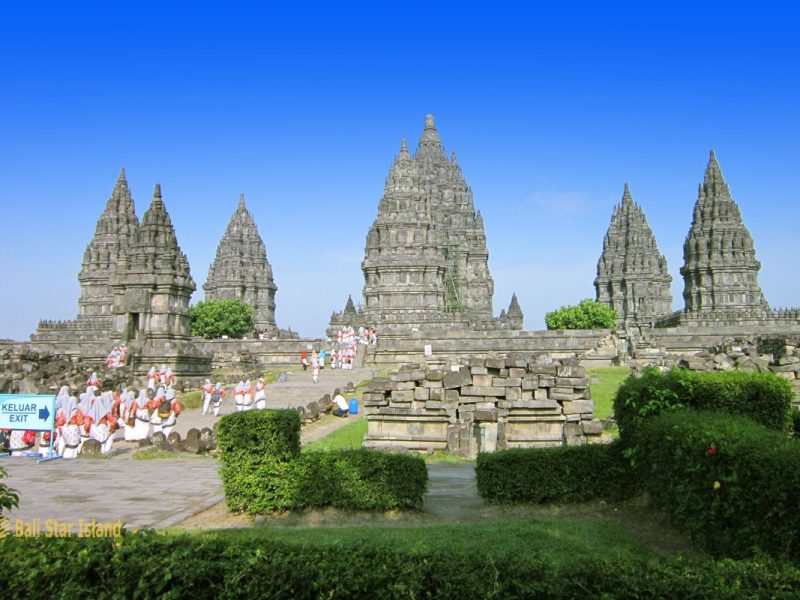
Indonesia offers many historical landmarks, but Prambanan Temple stands as the Biggest Hindu Temple Indonesia and one of Southeast Asia’s most impressive Hindu monuments. Located near Yogyakarta, this UNESCO World Heritage Site attracts travelers who want to explore ancient architecture, religious history, and Javanese culture.
This Biggest Hindu Temple Indonesia guide helps travelers understand Prambanan’s history, architecture, cultural importance, and travel experience. Moreover, visitors can combine the temple visit with other destinations around Yogyakarta for a complete cultural journey.
Discover the History of Prambanan Temple
Prambanan Temple dates back to the 9th century during the Mataram Kingdom period. Ancient Javanese builders created this temple complex as a dedication to Trimurti, the three main Hindu gods: Shiva, Vishnu, and Brahma.
The central Shiva temple reaches around 47 meters and dominates the entire complex. Meanwhile, smaller temples surround the main structures and create a balanced architectural design.
Unlike many modern attractions, Prambanan offers travelers a direct connection to Indonesia’s ancient civilization. Visitors can walk through the complex while observing detailed stone carvings that describe Hindu mythology and traditional stories.
Explore the Architecture and Cultural Meaning
Prambanan features tall towers, symmetrical layouts, and detailed relief panels. The design reflects traditional Hindu concepts about the relationship between humans, gods, and the universe.
The Shiva temple receives the most attention because of its size and artistic details. Inside, visitors can discover statues representing important Hindu figures, including Shiva and other sacred characters.
Furthermore, travelers can learn about the Ramayana story through temple reliefs. The carvings present scenes from this famous epic and show the artistic skills of ancient Javanese craftsmen.
For a deeper cultural experience, explore this complete guide to Prambanan Temple and Indonesia’s biggest Hindu heritage site.
Best Time to Visit Prambanan Temple
The best time to visit Prambanan depends on your travel style. Early morning provides cooler temperatures and softer sunlight for photography. Additionally, late afternoon creates a beautiful atmosphere when the temple structures glow under the sunset.
Avoid visiting during midday if you prefer a more comfortable experience. The open area around the temple can feel hot, especially during the dry season.
Therefore, many travelers choose morning visits and continue exploring nearby attractions afterward.
Combine Prambanan With Other Yogyakarta Attractions
Prambanan works perfectly as part of a wider Yogyakarta itinerary. Travelers can combine it with Ratu Boko Temple, Plaosan Temple, or local cultural villages nearby.
Moreover, visitors can explore Yogyakarta’s royal heritage, traditional markets, and culinary destinations after their temple visit.
For travelers who want a comfortable route, professional transportation helps create a smoother experience. You can explore private Yogyakarta tours with local transportation and flexible itineraries to maximize your travel time.
Travel Tips for Visiting Prambanan
Wear comfortable shoes because the temple area requires walking across large outdoor spaces. Bring water, sunscreen, and a camera to capture the architectural details.
Respect the cultural importance of the site by following local guidelines. Visitors should also maintain cleanliness and avoid touching ancient structures.
Additionally, check current ticket information and opening hours before your visit. Travel conditions can change during holidays or special events.
Conclusion
Prambanan Temple represents Indonesia’s remarkable Hindu heritage and remains the Biggest Hindu Temple Indonesia. Its impressive architecture, historical value, and cultural stories create an unforgettable experience for international travelers.
A visit to Prambanan allows you to explore ancient history while enjoying the beauty of Yogyakarta. With proper planning, this legendary temple can become one of the highlights of your Indonesia journey.