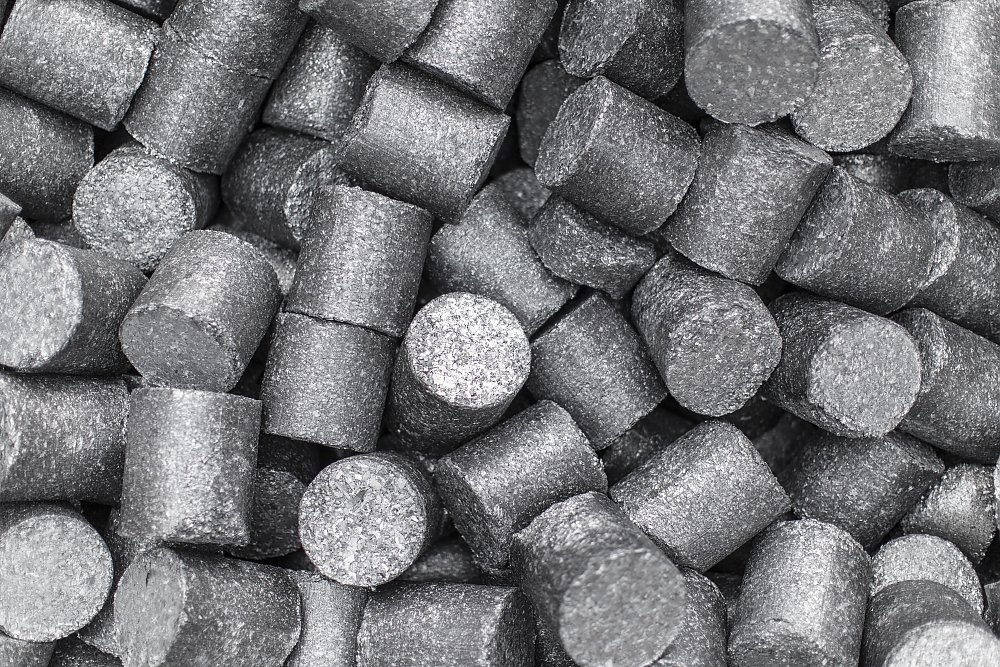
Biomass briquette industry growth
The Surging Growth of the Biomass Briquette Industry: A Green Revolution Unfolding. The global push for sustainable and eco-friendly energy sources has ignited a remarkable surge in the Biomass Coconut Briquette industry. As nations strive to reduce their carbon footprint and combat climate change, biomass briquettes have emerged as a promising alternative to traditional fossil fuels. This article delves into the exponential growth of the biomass briquette industry, exploring the factors driving its expansion, the key players in the market, and the environmental benefits that come hand-in-hand with this green revolution.
Understanding Biomass Briquettes
Biomass briquettes, often referred to as green coal, are compacted and compressed bio-waste materials, such as agricultural residues, forestry residues, and industrial by-products. These organic materials are transformed into dense and energy-rich briquettes through a process that involves crushing, drying, and pressing. The resulting biomass briquettes serve as a renewable source of energy, with applications ranging from heating and cooking to industrial processes.
1. Factors Driving Growth
A. Renewable Energy Demand
The increasing global demand for renewable energy sources has been a pivotal factor in propelling the growth of the biomass briquette industry. Governments and businesses alike are actively seeking cleaner alternatives to conventional fuels to meet their energy needs while reducing their carbon emissions. Biomass briquettes, being derived from organic waste, provide a sustainable solution to this pressing demand.
B. Environmental Concerns and Regulations
Heightened environmental consciousness and stringent regulations aimed at curbing greenhouse gas emissions have further accelerated the growth of the biomass briquette industry. Countries worldwide are adopting policies that incentivize the use of renewable energy sources, making biomass briquettes an attractive option for both residential and industrial applications.
C. Technological Advancements
Continuous advancements in briquetting technology have significantly contributed to the industry’s growth. Innovations in manufacturing processes have improved the efficiency of biomass briquette production, making it a cost-effective and scalable solution for energy generation. These technological enhancements have also led to the development of briquettes with enhanced calorific values and combustion characteristics.
2. Global Market Overview
A. Key Players
Several key players have emerged as frontrunners in the global biomass briquette industry, driving innovation and shaping the market landscape. Companies such as Enviva, German Pellets, and Pinnacle Renewable Energy Group have played pivotal roles in advancing technology and expanding production capacities. The competitive market dynamics have fostered collaboration and partnerships, further fueling the industry’s growth.
B. Market Trends
The biomass briquette industry is witnessing several noteworthy trends, reflecting the evolving landscape of renewable energy. The market is experiencing a shift towards the production of advanced briquettes with improved energy content and combustion characteristics. Additionally, the integration of digital technologies for process optimization and data-driven decision-making is gaining prominence within the industry.
C. Regional Dynamics
The growth of the biomass briquette industry is not uniform across regions. Europe, with its strong commitment to renewable energy and stringent environmental regulations, has been a frontrunner in adopting biomass briquettes. Asia-Pacific is also witnessing significant growth, driven by the increasing demand for clean energy solutions in emerging economies.
3. Environmental Benefits of Biomass Briquettes
A. Carbon Neutrality
One of the key environmental benefits of biomass briquettes is their carbon neutrality. Since the raw materials used in their production are derived from plants through photosynthesis, the carbon released during combustion is equivalent to the carbon absorbed during the plants’ growth. This closed carbon cycle makes biomass briquettes an environmentally friendly alternative to fossil fuels.
B. Waste Utilization
The utilization of agricultural and forestry residues for biomass briquette production contributes to efficient waste management. By converting these organic materials into a valuable energy source, the industry helps reduce the environmental impact of agricultural and forestry activities while providing a sustainable energy solution.
C. Reduced Air Pollution
Compared to traditional solid fuels like coal and wood, biomass briquettes emit significantly lower levels of harmful pollutants during combustion. This reduction in air pollution contributes to improved air quality and mitigates the adverse health effects associated with the burning of conventional fuels.
4. Challenges and Future Prospects
While the biomass briquette industry is experiencing rapid growth, it is not without challenges. Sustainable feedstock availability, logistical constraints, and the need for continued technological innovation are among the hurdles that industry players must navigate. However, with ongoing research and development, the future prospects for the biomass briquette industry remain promising.
A. Feedstock Availability
The availability of sustainable feedstock is a critical factor influencing the long-term viability of the biomass briquette industry. Balancing the demand for raw materials with responsible land use practices and biodiversity conservation is essential to ensure the industry’s sustainability.
B. Logistics and Infrastructure
Efficient logistics and infrastructure are vital for the smooth functioning of the biomass briquette supply chain. Developing robust transportation networks and storage facilities will be crucial for optimizing the production and distribution of biomass briquettes on a global scale.
C. Research and Development
Continued investment in research and development is essential to address existing challenges and unlock new opportunities for the biomass briquette industry. Innovations in feedstock preprocessing, briquetting technology, and combustion efficiency will play a pivotal role in shaping the industry’s future.
Conclusion
The biomass coconut briquette industry’s exponential growth is emblematic of a global shift towards sustainable and eco-friendly energy solutions. As nations strive to meet their renewable energy targets and combat climate change, biomass briquettes have emerged as a key player in the green energy revolution. With ongoing advancements in technology, increasing market awareness, and a commitment to environmental stewardship, the biomass briquette industry is poised for continued growth and a significant contribution to a more sustainable future.