Erosion control coconut matting – We have often heard about the soil erosion that is going on in Indonesia. Soil conditions on the line, typical of Indonesian soil, are easily affected by climate-related soil erosion and heavy rainfall. Areas with high rainfall intensity such as Sumatra and Java. Soil types slip easily and worsen the condition.
Slow handling of soil erosion makes the ecosystem around soil erosion even more damaged. At present, the level of soil damage is almost all over Indonesia. One of the main reasons is the farmers’ lack of knowledge about tillage. Therefore, conservative measures are needed to prevent soil erosion.
In short, erosion can also occur due to strong water and wind. In Indonesia, due to the strong flow of water, soil erosion often occurs. Soil erosion occurs when no vegetation grows on the soil, so water seeps right into the roots of the trees. So how do you prevent soil erosion? Here’s how to control and restore soil quality.
What can be done to prevent soil erosion? | Erosion Control Coconut Matting

1. Use soil-friendly farming practices
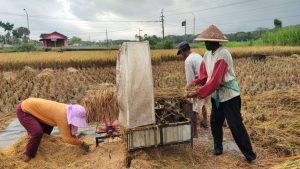
Terraced farming is adapted to hilly terrain. Terraces prevent erosion and facilitate irrigation of crops. In addition, agricultural fields in hilly areas need cover crops to keep soil particles in place. It is created by growing crops as mixed crops and growing two crops together in the same field, such as by planting corn or soybeans between rows of oil palms. Agroforestry systems that grow varieties of food and forest crops can be an effective solution for farmers. The use of manure can also increase soil organic matter levels and strengthen soil structure to prevent erosion. In addition, planting plants with deep and shallow root systems can improve soil structure and reduce erosion.
2. Providing incentives for sustainable land management
While the science of sustainable land management is gaining momentum, the socio-economic context often makes it difficult to implement. The practice of sustainable land management must be financially achievable for farmers. Erosion prevention is valued at an average of $500 per hectare, which is a significant investment for a farmer. Governments and banks should help farmers access finance and support erosion prevention measures. These efforts not only benefit farmers, but the entire community. The cost of prevention is much lower than the cost of land reclamation and rehabilitation. Its cost is 1500-2000 dollars per hectare. Other sources found the fee could be as high as $15,221 per hectare.
3. Prevention and rehabilitation using erosion control coconut matting
The key to managing and reducing soil erosion is restoring disturbed soil, halting further degradation, and incorporating erosion prevention measures into land management policies. This way we can control our appetite and reduce the climate crisis. Coir Erosion Control Cover is a natural geosynthetic product for erosion control. It is a flexible, lightweight 3D mat of high strength coconut geotextile that protects the slope surface from soil erosion, reduces emissions and promotes infiltration. Erosion protection pads protect the soil surface from being washed out and create lawns quickly.
In other words, the Erosion control coconut matting geotextile made from stabilized coconut fiber reduces the likelihood of erosion. This is caused by further heavy rains and provides a green layer of vegetation along rivers, river banks, lake edges, steep slopes and grassy swamps. Coir Erosion Control Cover prevents soil and sediment erosion. Provides excellent filtration and vegetation, improving soil condition and slope stability.
Maybe you like to read the following article The Inspirational Story of an Entrepreneur Who Started a Business from Scratch