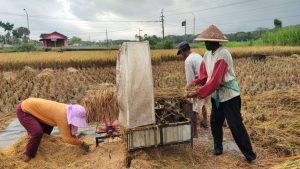
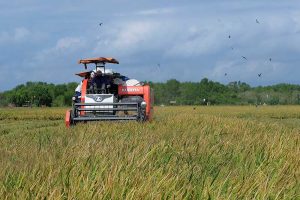
Agricultural waste briquettes are a type of biomass briquettes that are made from agricultural waste materials, such as rice husks, wheat straw, sugarcane bagasse, and corn cobs. These materials are abundant in agricultural areas and are often burned or left to decompose, which can release harmful greenhouse gases into the atmosphere. By converting agricultural waste into briquettes, these materials can be repurposed as a sustainable and renewable source of fuel.
There are several different types of agricultural waste briquettes, each with its unique characteristics and applications. Rice husk briquettes, for example, are lightweight and have high calorific value, making them an ideal fuel source for cooking and heating in rural areas. Wheat straw briquettes, on the other hand, are denser and have a lower calorific value, but are still an effective fuel source for small-scale heating and cooking.
Sugarcane bagasse briquettes are a popular choice for industrial applications, such as boilers and power plants, due to their high energy density and low ash content. Corn cob briquettes are also used in industrial settings as a fuel source, particularly in areas where corn is a major crop.
Various Kinds of Agricultural Waste Can Be Utilized

Other types of agricultural waste materials can also be used to produce briquettes, such as peanut shells, coconut shells, and coffee husks. These materials have different characteristics and can be used in a variety of applications, depending on their properties.
Agricultural waste briquettes offer a sustainable and renewable source of fuel that can help reduce waste and greenhouse gas emissions. By utilizing these materials, we can create a more sustainable future and reduce our reliance on traditional fossil fuels.
The Impact on The Environment and Local Communities
The impact is largely positive, both for the environment and for local communities. Here are some of the key impacts:
- Reduced waste: By utilizing agricultural waste materials to produce briquettes, we can reduce the amount of waste that is burned or left to decompose in fields, which can release harmful greenhouse gases into the atmosphere.
- Renewable energy source: Agricultural waste briquettes provide a sustainable and renewable source of energy, which can help reduce our reliance on traditional fossil fuels and decrease our carbon footprint.
- Local economic benefits: Briquette production can provide local economic benefits by creating job opportunities and supporting small-scale businesses. It also helps to reduce the costs of fuel, particularly in rural areas where traditional fuels may be expensive or difficult to access.
- Improved indoor air quality: In many rural areas, traditional fuels like wood and charcoal are used for cooking and heating, which can release harmful smoke and particulate matter into homes. By using agricultural waste briquettes instead, we can improve indoor air quality and reduce the health risks associated with traditional fuels.
- Soil enrichment: Some agricultural waste materials, such as rice husks and sugarcane bagasse, can be used to improve soil quality when used as a fertilizer. By diverting these materials to briquette production instead of burning them, we can help promote soil health and reduce the need for chemical fertilizers.
Overall, the impact is largely positive and can help support sustainable development and environmental conservation.
You may like to read the article about Coir geotextiles Uses in Various Soil Conditions and Its Advantages