Biomass waste, a byproduct of various industries and agricultural activities, has long been recognized as a significant environmental challenge. However, recent advancements in technology and sustainability initiatives have paved the way for innovative solutions, including the utilization of biomass waste in briquette production.
In this article, we delve into the concept of biomass waste utilization in briquette production, exploring its benefits, challenges, and implications for environmental conservation and energy sustainability.
Understanding Biomass Waste Utilization
Biomass waste refers to organic materials derived from plants, animals, and organic byproducts, which are often discarded or underutilized. This includes agricultural residues (such as rice husks, straw, and bagasse), forestry residues, municipal solid waste, and biodegradable organic matter.
Instead of allowing these materials to decompose or be incinerated, biomass waste can be repurposed and transformed into briquettes, a renewable energy source with diverse applications.
Briquette Production Process
Briquette production involves compacting biomass waste materials into dense, energy-dense blocks using mechanical pressure or binding agents. The process typically includes the following steps:
1. Material Preparation
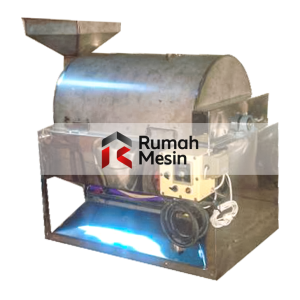
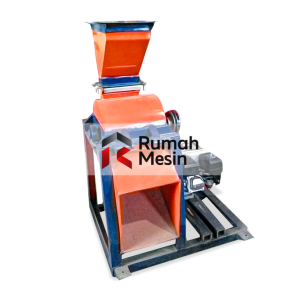
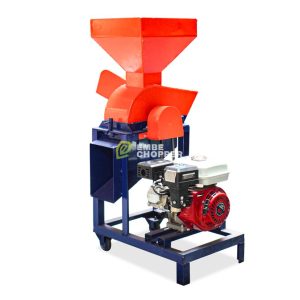
Biomass waste materials are collected, sorted, and processed to remove impurities and achieve uniform particle size. This may involve shredding, chipping, or grinding the raw materials to facilitate compaction.
2. Mixing and Binding
In some cases, binding agents such as starch, lignin, or molasses are added to the biomass waste to improve cohesion and binding properties. The mixture is homogenized to ensure uniform distribution of binding agents and other additives.
3. Compression and Forming
The prepared biomass mixture is fed into a briquetting machine, where it undergoes compression under high pressure. The pressure exerted causes the particles to adhere and form compact briquettes of desired shapes and sizes.
4. Drying and Curing
The newly formed briquettes are subjected to drying and curing processes to reduce moisture content and enhance mechanical strength. Drying methods may include sun drying, mechanical drying, or solar drying, depending on available resources and technical requirements.
5. Packaging and Distribution
Once dried and cured, the briquettes are packaged and distributed for use in various applications, including heating, cooking, and electricity generation.
Benefits of Biomass Waste Utilization in Briquette Production
The utilization of biomass waste in briquette production offers numerous environmental, economic, and social benefits:
1. Waste Reduction
By repurposing biomass waste materials, briquette production helps divert organic waste from landfills and incinerators, mitigating environmental pollution and reducing greenhouse gas emissions.
2. Renewable Energy Source
Briquettes serve as a clean and renewable alternative to fossil fuels, providing a sustainable energy source for heating and power generation in households, industries, and communities.
3. Resource Conservation
The utilization of biomass waste promotes resource efficiency and conservation by tapping into locally available organic materials and reducing reliance on finite natural resources.
4. Job Creation and Economic Development
Briquette production can stimulate economic growth and create employment opportunities, particularly in rural and marginalized communities where biomass resources are abundant.
5. Carbon Neutrality
Biomass briquettes are considered carbon-neutral since the carbon dioxide emitted during combustion is offset by the carbon dioxide absorbed during the growth of the biomass feedstock.
Challenges and Considerations
Despite its promising potential, biomass waste utilization in briquette production presents certain challenges and considerations:
1. Feedstock Availability and Quality
The availability and quality of biomass waste feedstock may vary seasonally, geographically, and depending on local agricultural practices, posing challenges to consistent briquette production.
2. Logistical and Infrastructural Constraints
Transportation, storage, and processing of biomass waste materials require adequate infrastructure and logistical support, especially in remote or rural areas where access to resources may be limited.
3. Technological Limitations
Briquette production technologies and equipment may require upfront investment and technical expertise, particularly for small-scale producers and developing economies.
4. Environmental Impacts
While biomass briquettes offer environmental benefits compared to fossil fuels, their production may still entail energy consumption, emissions, and environmental impacts associated with land use change and agricultural practices.
Conclusion
In conclusion, biomass waste utilization in briquette production represents a sustainable and environmentally responsible approach to resource management and energy production. By harnessing organic waste materials and converting them into valuable energy resources, stakeholders can contribute to waste reduction, renewable energy development, and climate change mitigation efforts.
However, successful implementation requires collaboration between governments, industries, communities, and academia to address technical, economic, and policy challenges. Through innovation, research, and collective action, biomass waste utilization can play a pivotal role in transitioning towards a more sustainable and circular economy, where waste becomes a valuable resource rather than a burden on the environment.
As we continue to explore and refine biomass utilization technologies, we move closer to a future where waste is transformed into opportunity, and sustainability becomes the cornerstone of our energy landscape.
Learning about coconut briquette, you also have to know the contents of coconut briquettes. The contents of coconut briquettes are carbon, ash and volatile components. Briquettes are usually used for cooking and baking processes. Steam power plants can also use briquettes to produce electrical energy which can replace coal fuel.