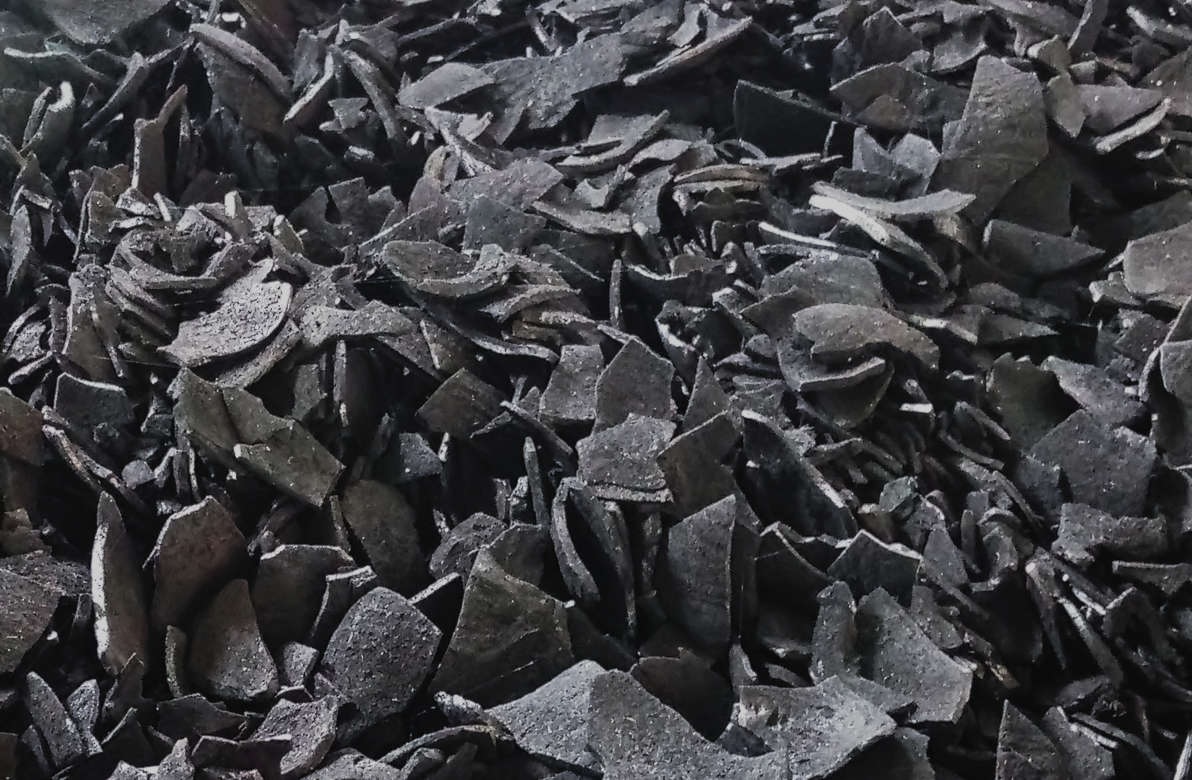
Charcoal from Indonesia – Indonesia is a tropical country located in Southeast Asia that boasts a wealth of natural resources, including a variety of coconut products. In recent years, Indonesia has emerged as one of the world’s largest producers of coconut products, including coconut charcoal briquettes, which are becoming increasingly popular as an eco-friendly and sustainable alternative to traditional fossil fuels.
Coconut charcoal briquettes are made by compressing coconut shells into small blocks that can be used as fuel for cooking, grilling, and heating. The process of making these briquettes is relatively simple and involves heating coconut shells in an oxygen-free environment until they turn into charcoal, which is then compressed into blocks. The resulting product is an eco-friendly and sustainable source of energy that burns hotter and longer than traditional charcoal briquettes made from wood.
Indonesia is well-positioned to be a major player in the coconut charcoal briquette industry, thanks to its abundant supply of coconut shells, which are a byproduct of the country’s coconut industry. In fact, Indonesia is the world’s largest producer of coconuts, with an estimated annual output of over 19 million tonnes. This means that there is a vast supply of coconut shells that can be used to make coconut charcoal briquettes, providing a sustainable and eco-friendly solution to the problem of energy sustainability.
Charcoal Briquette Indonesia The Potential to Utilise Coconut Waste
The tropical climate of Indonesia is very conducive to the reproduction of coconut palms. The existence of a very large number of coconut trees in the tropics is due to the fact that coconut trees can live anywhere, even if they have different soil forms. This plant is widely distributed in coastal areas, on the plains and in the mountains.
Coconut palms sprout from the leaves, stems, fruits, and portions of other coconut trees all around us. Numerous studies have been conducted to demonstrate the efficacy of various components of the coconut palm. Yet, because to its use, other portions of the coconut tree, namely the coconut shell, require extensive repair and processing.
Coconut husk is the part of the fruit that is endocrine, hard and coated with coconut fiber. This part of the coconut shell is commonly used to make materials, fuels, and to make coconut shell briquettes.
Charcoal Briquettes are an Environmentally Safe
One of the alternative energy sources is coconut shell briquettes. These are biomass leftovers intended to lessen reliance on fossil fuels. The goal of this essay was to discuss the quality of the coconut shell charcoal briquettes created and to conduct technical testing on the briquettes utilized. The test findings suggest that the utilized press has a capacity of 302 briquettes/hour.
The produced charcoal from Indonesia contain 5.37% water. The briquettes’ water content matches to the SNI, which is 8%. Briquettes have an average density of 11.23 g/cm3. 1.4 N/m2 is the maximum compressive strength. The carbon content figure is 97.14%. Because of their high carbon content and low ash level, the briquettes produced are of high quality. The calorific value generated is likewise quite high (>5000). This demonstrates that the briquettes produced are of great quality, and the inhabitants of West Sumatra may utilize this coconut briquette as an alternative energy source.
Maybe you like to read the following article Please Welcome a Natural Product Soil Reinforcement: Coir Geotextiles in Roads